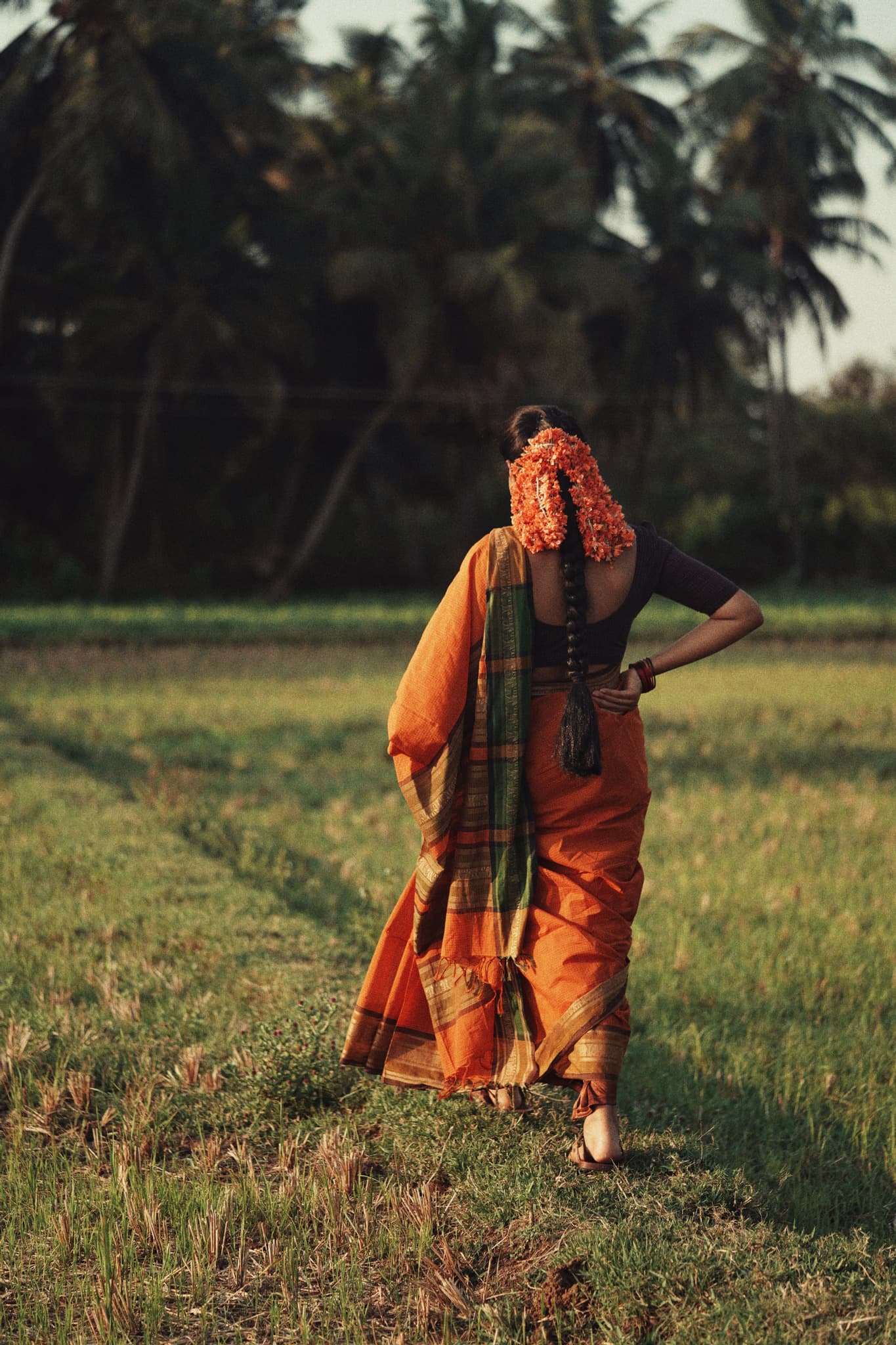
Around 2010, while pursuing Textile Design at the National Institute of Fashion Technology (NIFT), Chennai, I travelled to Aruppukottai in Virudhunagar district as part of a craft documentation project. What began as an academic exercise became the moment that quietly changed the direction of my life.
Our objective was to document the weaving cluster—the people, their processes, their motifs, and the relationship between their craft and everyday life.
I expected to learn about textiles. Instead, I found myself learning about people.
One visit, in particular, has stayed with me ever since.
I met Mr. Rama Subbu, a master weaver whose home also housed his pit loom. Like many weaving families, the loom was not separate from daily life; it was woven into it. The space was modest, carefully organised around the demands of the craft. It was a home where weaving was not simply an occupation, but a way of life.
What fascinated me most was the weavers’ intuitive understanding of design. Their choice of colours, proportions, and motifs carried remarkable sensitivity and balance. They may not have called themselves designers, but I remember thinking that they possessed the eye of one. Their knowledge had been shaped not in classrooms, but through years of practice, observation, and lived experience.
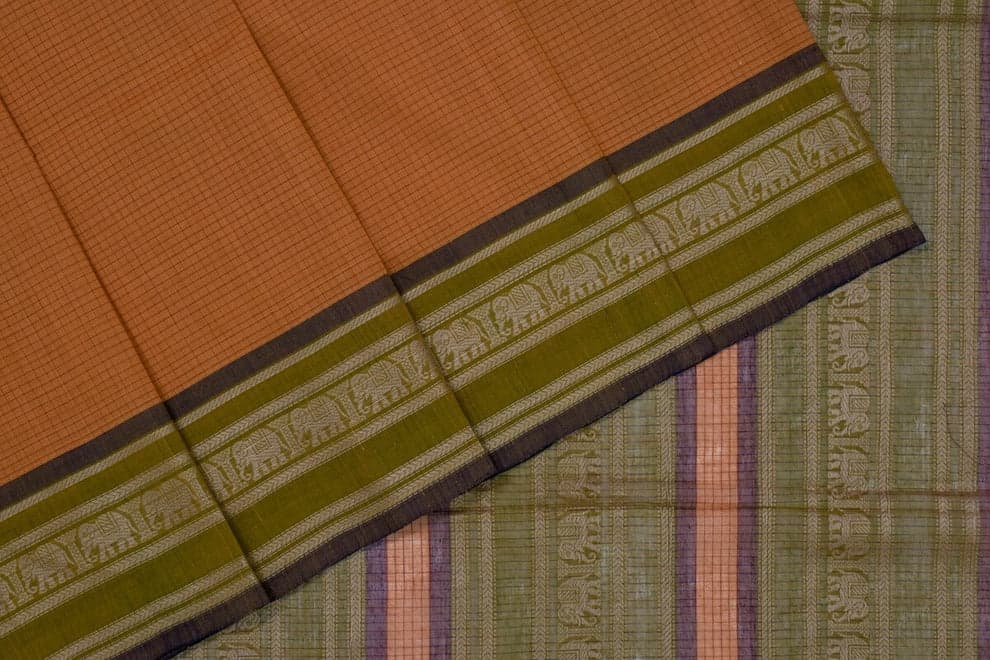
Before leaving Aruppukottai, I purchased a saree from Mr. Rama Subbu. It featured the Rudraksha motif, along with traditional forms such as the manga (paisley) and the elephant. I still cherish that saree today.
In many ways, it became the first thread of THARI. The Rudraksha motif later inspired the logo that represents the brand.
When I returned to Chennai, I returned as a different person. I wanted to work with these textiles, learn from artisans, and become part of a world where making was guided by patience, knowledge, and integrity.
That journey eventually became THARI.
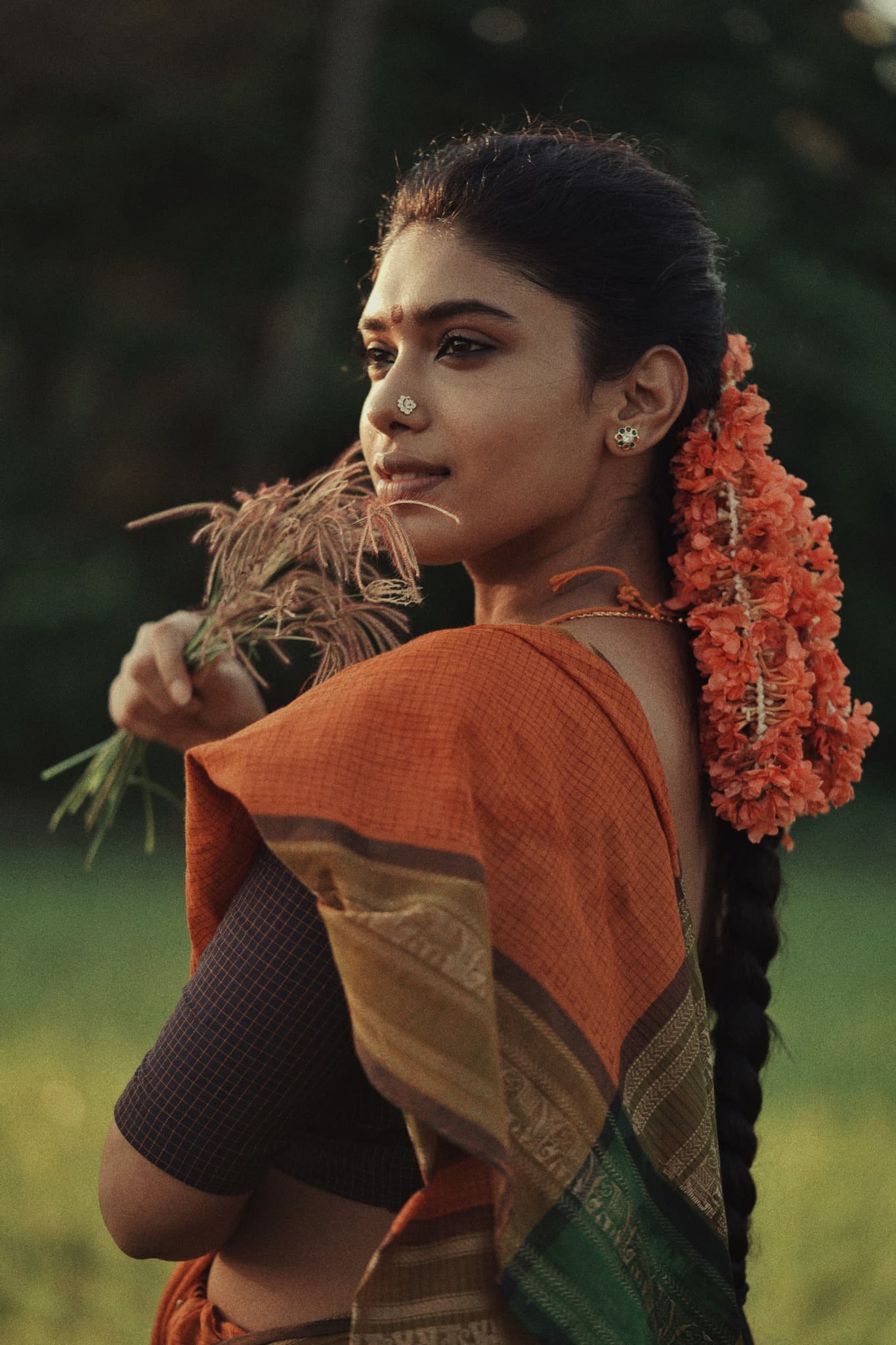
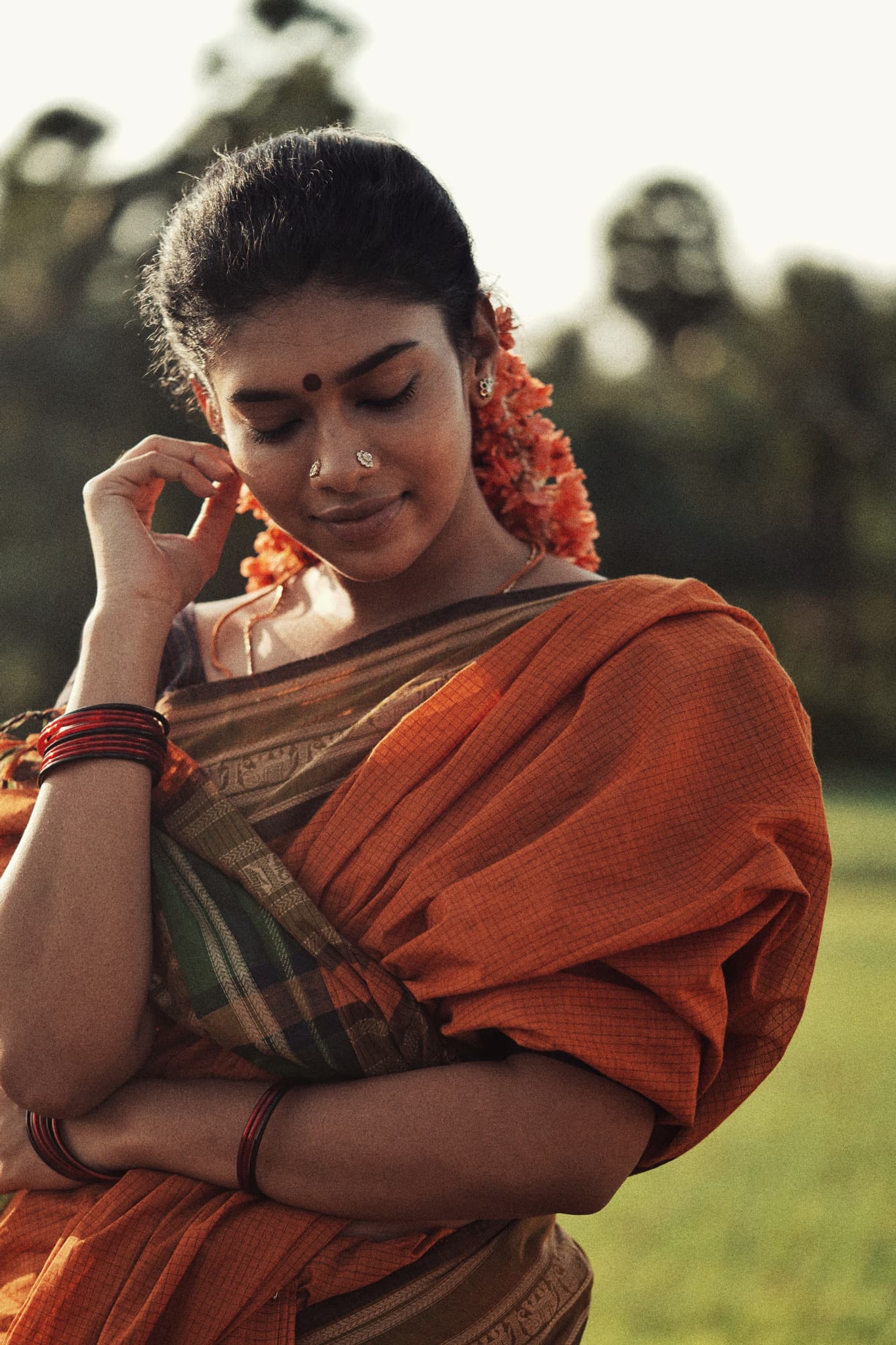
Fourteen years later, I continue to see myself not as an expert, but as a student. Every artisan I meet, every loom I hear, and every textile I hold reminds me that craft is an endless process of learning.
THARI was born from that belief, and it continues to shape everything we do.
Niranjani Sundar
Founder, THARI